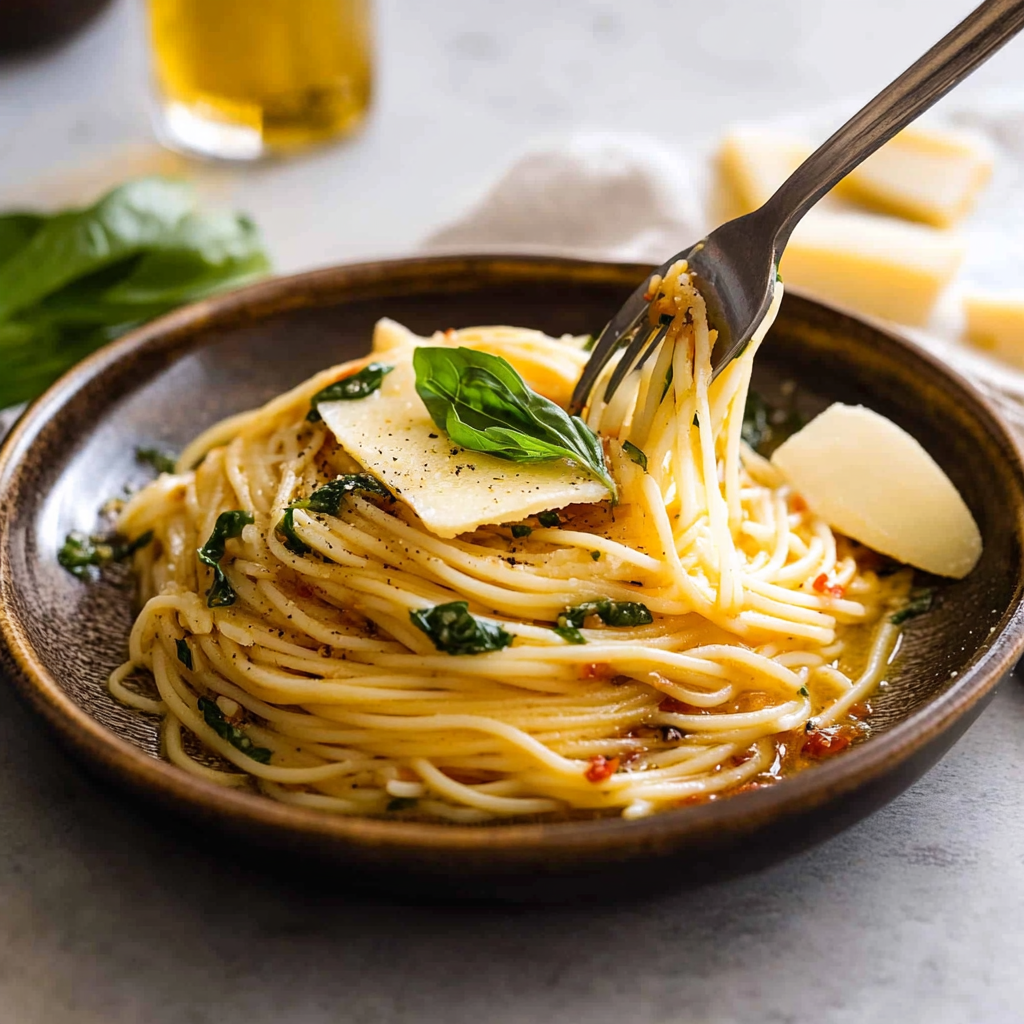
There’s something undeniably magical about aglio e olio recipes. Picture this: a humble plate of spaghetti glistening with olive oil, flecked with golden garlic pieces, and just the right hint of heat from red pepper flakes. It’s a dish that teases your senses and warms your heart, all while being incredibly simple to whip up. You can almost hear the chorus of “Mamma Mia!” ringing in the background as you dive into this culinary delight.
Jump to:
- Ingredients for aglio e olio recipes
- How to Make aglio e olio recipes
- <strong>Perfecting the Cooking Process</strong>
- <strong>Add Your Touch</strong>
- <strong>Storing & Reheating</strong>
- FAQs
- What are the key ingredients in aglio e olio recipes?
- How can I make my aglio e olio recipes spicier?
- Can I use other types of pasta for aglio e olio recipes?
- How do I store leftovers from my aglio e olio recipes?
- Conclusion for aglio e olio recipes
- 📖 Recipe Card
Now, let me take you back to my college days when I was a broke student living off instant ramen and whatever I could scrounge from my roommate’s side of the fridge. One fateful evening, armed only with a few cloves of garlic, some spaghetti, and a bottle of olive oil that may or may not have been older than my GPA, I discovered the magic of aglio e olio. The aroma wafting through my tiny apartment was so intoxicating that even my roommate emerged from her Netflix binge just to see what was going on. Little did we know we were about to embark on a lifelong love affair with this Italian classic!
Why You'll Love This Recipe
- This aglio e olio recipe is quick and easy, perfect for busy weeknights when you’re short on time but big on flavor.
- The rich garlic aroma combined with olive oil creates a delightful taste experience that will keep you coming back for more.
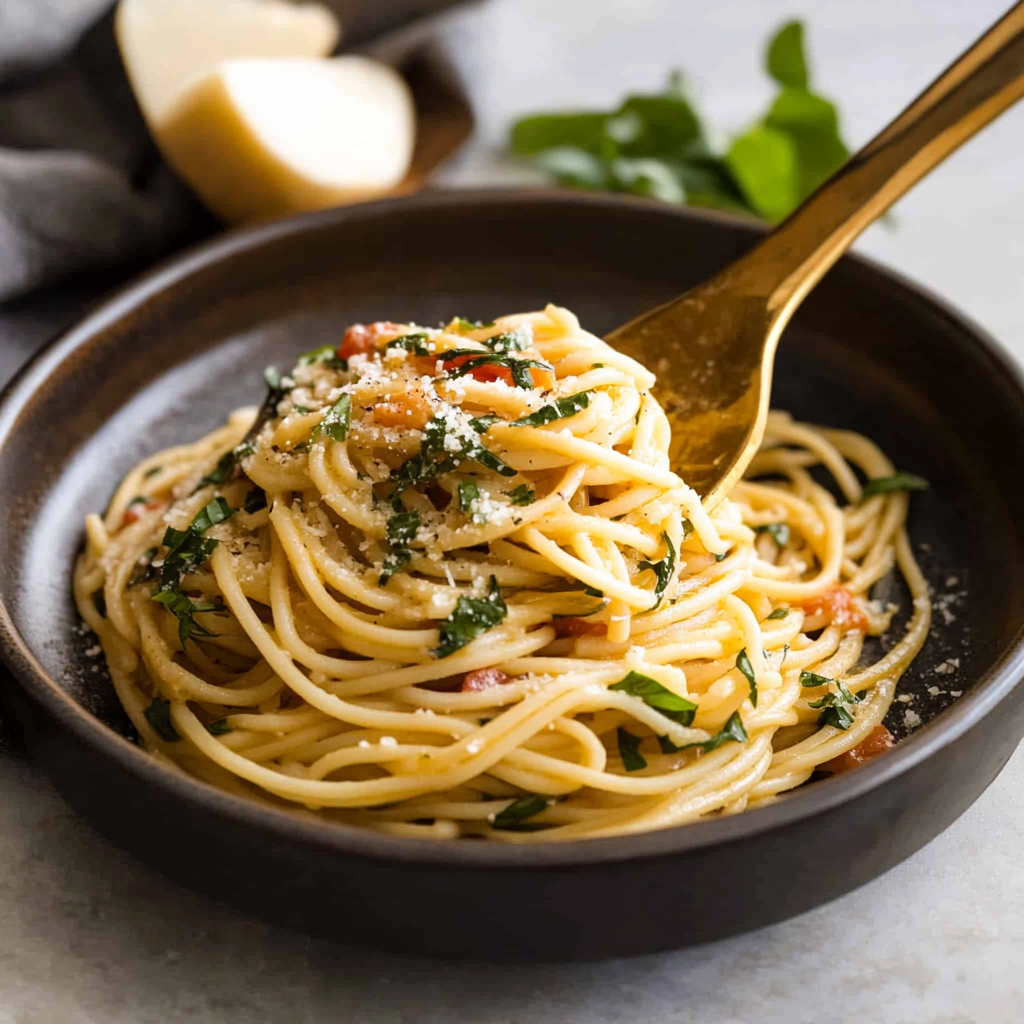
- Its elegant simplicity makes it visually appealing, often garnished with fresh parsley and Parmesan cheese.
- Plus, it’s versatile enough to serve as a side dish or a main course whenever the craving strikes!
Ingredients for aglio e olio recipes
Here’s what you’ll need to make this delicious dish:
- Spaghetti: Opt for high-quality dried spaghetti; it holds up well during cooking and pairs beautifully with the sauce.
- Fresh Garlic: Choose firm, fresh cloves for maximum flavor; nothing beats that aromatic punch!
- Extra Virgin Olive Oil: Go for a good-quality olive oil that you would enjoy tasting; it’s the star of the show.
- Red Pepper Flakes: Adjust according to your spice tolerance; these little guys add just enough heat to keep things interesting.
- Fresh Parsley: This adds freshness and color to the dish; be generous when garnishing!
- Parmesan Cheese (optional): Grate over the top for an extra layer of flavor; who doesn’t love cheesy goodness?
The full ingredients list, including measurements, is provided in the recipe card directly below.
How to Make aglio e olio recipes
Follow these simple steps to prepare this delicious dish:
Step 1: Cook the Spaghetti
Bring a large pot of salted water to a boil. Add in your spaghetti and cook according to package instructions until al dente—this usually takes around 8-10 minutes.
Step 2: Prepare the Garlic
While your pasta cooks, peel and thinly slice your garlic cloves. Try not to let them become dust in your kitchen; we want them nice and aromatic!
Step 3: Heat the Olive Oil
In a large skillet over medium heat, pour in about half a cup of extra virgin olive oil. Add in your sliced garlic along with red pepper flakes. Sauté gently until the garlic turns golden brown—about two minutes—making sure not to burn it unless you enjoy bitter flavors.
Step 4: Combine Pasta and Sauce
Once your spaghetti has reached perfection (not mushy!), reserve about half a cup of pasta water before draining it. Toss your drained spaghetti directly into the skillet with garlic oil and mix well. If it needs more moisture, add some reserved pasta water.
Step 5: Garnish and Serve
Chop up some fresh parsley and sprinkle it generously over your pasta masterpiece. If you’re feeling cheesy (literally), grate some Parmesan on top before serving.
Step 6: Enjoy!
Transfer to plates and dig in while it’s hot! Pair with crusty bread if you’re feeling indulgent—it never hurts!
And there you have it—a beautiful plate of aglio e olio that can transport you straight to Italy without leaving your kitchen! Enjoy every bite!
You Must Know
- Aglio e olio recipes are not just about simplicity; they offer a delightful burst of flavor with minimal ingredients.
- This dish is perfect for those late-night cravings when you want something quick yet satisfying.
- It’s an Italian classic that never goes out of style!
Perfecting the Cooking Process
Start by boiling your pasta first, ideally al dente. While it cooks, heat olive oil in a pan and sauté garlic until golden. Toss in red pepper flakes and parsley before adding the drained pasta to the pan. This sequence ensures all flavors meld perfectly.
Add Your Touch
Feel free to swap spaghetti for linguine or add some cherry tomatoes for color. You can also sprinkle in grated Parmesan or Pecorino for a cheesy twist. Don’t forget to throw in some sautéed vegetables or cooked shrimp for added texture!
Storing & Reheating
Store leftover aglio e olio in an airtight container in the fridge for up to three days. Reheat gently on the stove with a splash of olive oil to keep it moist and flavorful, avoiding the dreaded dry pasta syndrome.
Chef's Helpful Tips
- Always use high-quality olive oil; it makes a world of difference in flavor.
- Beware of overcooking the garlic, as burnt garlic can turn bitter.
- Lastly, don’t forget to reserve a bit of pasta water to help create a silky sauce!
Sometimes I whip up aglio e olio when friends come over; their faces light up at how something so simple can taste so divine! It’s become my go-to dish when impressing without breaking a sweat.
FAQs
What are the key ingredients in aglio e olio recipes?
Aglio e olio recipes rely on a few simple ingredients that create a delightful dish. The essential components include spaghetti, garlic, olive oil, red pepper flakes, and parsley. Each ingredient plays a vital role in delivering robust flavors. Fresh garlic is particularly important; it should be sautéed until golden but not burnt. This dish’s beauty lies in its simplicity, making it perfect for quick weeknight dinners.
How can I make my aglio e olio recipes spicier?
To enhance the heat in your aglio e olio recipes, consider adding more red pepper flakes than the standard amount. You can also incorporate fresh chili peppers or even a splash of hot sauce for an extra kick. Another option is to let the garlic infuse with the olive oil longer before adding the pasta. Experiment with these methods to find your perfect level of spice while enjoying this classic dish.
Can I use other types of pasta for aglio e olio recipes?
Absolutely! While traditional aglio e olio recipes call for spaghetti, feel free to experiment with other pasta varieties like linguine, fettuccine, or even whole wheat options. Each type brings its own texture and flavor profile to the dish. Just adjust the cooking time according to the pasta you choose to ensure everything comes together perfectly.
How do I store leftovers from my aglio e olio recipes?
If you have leftover aglio e olio, store it in an airtight container in the refrigerator within two hours of cooking. It can last up to three days when stored properly. To reheat, gently warm it on the stove over low heat, adding a splash of olive oil if needed to refresh the flavors. Avoid microwaving as it can alter the texture of the pasta.
Looking to expand your recipe collection? Check out these tasty recipes for your next culinary adventure.
Conclusion for aglio e olio recipes
In summary, aglio e olio recipes are simple yet flavorful dishes perfect for any occasion. Key ingredients like spaghetti, garlic, and olive oil create a harmonious balance that delights the palate. You can easily customize your dish by adjusting spice levels or experimenting with different pasta types. Whether you’re preparing a quick meal or impressing guests, this classic Italian recipe remains a favorite for its ease and depth of flavor. Enjoy!
Did You Enjoy Making This Recipe? Please rate this recipe with ⭐⭐⭐⭐⭐ or leave a comment.
📖 Recipe Card
Print
Aglio e Olio
- Total Time: 25 minutes
- Yield: 4 1x
Description
Indulge in the rich flavors of this classic Aglio e Olio recipe, featuring spaghetti tossed in garlic-infused olive oil, with a hint of spice and fresh parsley garnish.
Ingredients
- 8 oz spaghetti
- 4 cloves fresh garlic, thinly sliced
- 1/2 cup extra virgin olive oil
- 1 tsp red pepper flakes (adjust to taste)
- 1/4 cup fresh parsley, chopped
- – Optional: 1/4 cup grated Parmesan cheese
Instructions
- 1. Cook the Spaghetti
- Bring a large pot of salted water to a boil. Add the spaghetti and cook according to package instructions until al dente, about 8-10 minutes.
- 2. Prepare the Garlic
- While the pasta cooks, peel and thinly slice the garlic cloves.
- 3. Heat the Olive Oil
- In a large skillet over medium heat, add the olive oil. Once hot, add the sliced garlic and red pepper flakes. Sauté gently until the garlic turns golden brown, about 2 minutes.
- 4. Combine Pasta and Sauce
- Reserve about 1/2 cup of pasta water before draining the spaghetti. Toss the drained spaghetti into the skillet with the garlic oil, mixing well. If needed, add reserved pasta water for moisture.
- 5. Garnish and Serve
- Sprinkle chopped parsley generously over the pasta. If desired, grate Parmesan cheese on top before serving.
- 6. Enjoy!
- Serve immediately while hot, possibly with crusty bread.
- Prep Time: 10 minutes
- Cook Time: 15 minutes
- Category: Main
- Method: Sautéing
- Cuisine: Italian
Nutrition
- Serving Size: 1 plate (approximately 200g)
- Calories: 450
- Sugar: 0 g
- Sodium: 300 mg
- Fat: 25 g
- Saturated Fat: 3 g
- Unsaturated Fat: 22 g
- Trans Fat: 0 g
- Carbohydrates: 52 g
- Fiber: 3 g
- Protein: 10 g
- Cholesterol: 10 mg